Have Any Question?
 +44 7452 122728




 Back
Back




Table Of Contents


 44 7452 122728
Every company needs a financial gatekeeper who ensures customers pay on time and accounts stay balanced. This is where the role of a Credit Controller comes to the forefront, as they keep a company’s cash flow healthy and its debts in check. If you are seeking a career in this prestigious role, then this compilation of Credit Controller Interview Questions and answers will show you the way.
Credit Controller Interview Questions and Answers
Q: What made you want to become a Credit Controller?

Q: What does a Credit Control Manager do?
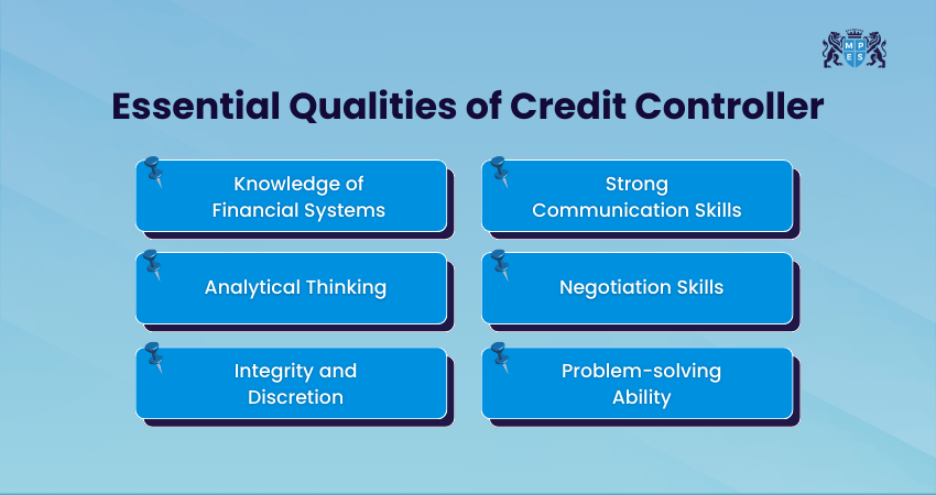
Q: What are the most important qualities for a Credit Controller to have?
This will help assess if you value traits that lead to success in the role.
Sample Answer:
“Attention to detail, strong communication, persistence, and empathy are key. You need to analyse financial data accurately, build positive relationships, and remain professional under pressure. It’s also important to be organised, diplomatic and confident when negotiating payment solutions with clients.”
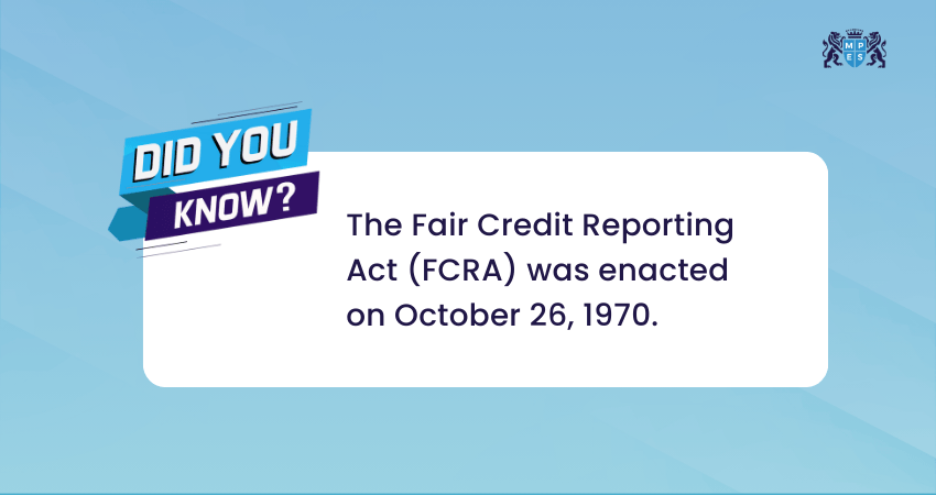
Q: Are you knowledgeable about the Fair Credit Reporting Act and how it applies to your role?
This question will help assess your understanding of relevant credit and data protection laws.
Sample Answer:
“Yes, I understand the Fair Credit Reporting Act protects consumer information and ensures accuracy in credit reporting. While it’s a US law, I’m familiar with local credit and data protection regulations, and I always ensure compliance when handling client financial information.”
Q: How do you think the Credit Control industry is likely to evolve in the near future?
This question is intended to gauge your awareness of Credit Control industry trends.
Sample Answer:
“I think automation, AI-driven Credit Analysis and real-time payment tracking will become standard. Businesses will place greater emphasis on Predictive Risk Assessment, digital communication with clients and integrating Credit Control closely with overall customer experience strategies to improve relationships and cash flow.”
Q: What are the different types of credit checks and how do they work?
This will evaluate your knowledge of Credit Assessment processes.
Sample Answer:
“Credit checks can be hard or soft. Hard checks are in-depth and recorded on credit files, while soft checks give basic insight without affecting the score. Both involve reviewing payment history, outstanding debts, and financial stability to assess a customer’s risk before extending credit.”
Q: How do you handle difficult customers and clients?
This question will help the interviewer assess your Conflict Resolution skills.
Sample Answer:
“I remain calm, listen carefully, and acknowledge their concerns before explaining the facts clearly. I focus on finding a mutually acceptable solution, whether that’s adjusting payment terms or offering instalment plans, while maintaining professionalism and protecting the company’s financial interests.” Master the money game in no time.
Register for our Financial Management (FM) Course and turn financial data into powerful business insights!
Q: How has your background prepared you for a role in Credit Control?
This will help spotlight how your previous experience, education and skills align with the requirements of a Credit Control role.
Sample Answer:
"My background in finance and customer service gave me strong analytical and communication skills. I’ve managed accounts, resolved payment issues, and worked with accounting software. These experiences taught me to strike a balance between accuracy and diplomacy, which is essential in Credit Control for protecting cash flow and maintaining strong client relationships."
Q: How would you go about recovering unpaid invoices?
This question will help evaluate your problem-solving ability.
Sample Answer:
“I’d start with polite reminders, then escalate to phone calls and formal letters if necessary. I’d offer payment options, negotiate where possible, and only consider legal action or using a collection agency if other methods fail, always maintaining professionalism.”
Q: What is your experience with using Accounting Software?
This question is intended to assess your technical skills in the field of accounting.
Sample Answer:
“I’ve used systems like Sage, QuickBooks, and Xero for tracking invoices, reconciling accounts, and generating financial reports. I’m comfortable navigating new software, integrating Credit Control workflows, and using reporting tools to monitor overdue accounts and improve collection efficiency.”
Q: How do you prioritise tasks when there are multiple overdue accounts to manage?
This will evaluate how adept you are at Time Management.
Sample Answer:
“I prioritise based on overdue amount, payment history, and risk level. High-value or high-risk accounts come first, followed by others in order of urgency. I use task lists and reminders to ensure no account is overlooked.”
Q: How do you evaluate creditworthiness?
This will assess your ability to make informed decisions before extending credit.
Sample Answer:
“I review credit reports, financial statements, payment history, and references. I also consider industry conditions and the client’s relationship history. The goal is to balance opportunity with risk by setting credit limits that protect the business while supporting sales.”
Q: What are some of the most effective strategies you use to reach out to clients when they're overdue on their payments?
This question will assess your approach to client communication.
Sample Answer:
“I start with polite email reminders, then follow up with phone calls to discuss payment options. I focus on building rapport, understanding reasons for delays, and offering flexible arrangements to encourage settlement while preserving the client relationship.”
Q: How well do you handle stress and pressure?
This question will help your potential employer gauge your emotional intelligence and resilience.
Sample Answer:
“I handle pressure by staying organised, breaking down tasks, and focusing on solutions rather than problems. I see challenging situations as opportunities to improve processes, and I make sure to manage my time effectively to avoid last-minute stress.”
Q: How would you handle unfair criticism from a superior?
With this question, the interviewer wants to see if you can remain calm, respond constructively and maintain a positive working relationship.
Sample Answer:
“I’d listen without interrupting, ask clarifying questions, and remain calm. If the criticism is unfounded, I’d respectfully provide evidence or context. My goal would be to maintain professionalism and focus on improving understanding rather than escalating the conflict.”
Q: How do you keep track of all of your past clients and their individual payment histories?
This question is intended to assess your record-keeping skills.
Sample Answer:
“I use Accounting and Customer Relationship Management (CRM) systems to store client details, payment records and notes. This allows me to quickly access history for reference, spot patterns and tailor follow-up approaches based on previous interactions.”
Audit with accuracy and build trust through assurance. Sign up for Audit and Assurance (AA) Training now!
Q: Can you share an example of a time you negotiated a better deal with a supplier?
This question will shed light on your negotiation skills.
Sample Answer:
“Once, I negotiated extended payment terms with a supplier during a cash flow crunch. I presented our payment history and explained our temporary situation, which resulted in more flexible terms that helped maintain operations without damaging the relationship.”
Q: How would you define an effective credit policy?
This question is designed to see if you understand credit policy principles.
Sample Answer:
“An effective credit policy clearly defines credit terms, approval criteria, and collection procedures. It protects the business from excessive risk while being flexible enough to support sales and maintain strong client relationships.”
Q: When is it appropriate to hand off a debt to a collection agency?
This question will help assess your judgement in escalating unpaid debts and your understanding of company policy.
Sample Answer:
“If internal recovery efforts fail, the debt is significantly overdue, and the client is unresponsive or unwilling to cooperate, I’d consider a collection agency. This is usually a last resort after all other avenues have been exhausted.”
Q: Do you have experience working with vendors?
This question will help gauge your Vendor Relationship Management expertise.
Sample Answer:
“Yes, I’ve worked closely with vendors to coordinate payments, resolve disputes, and maintain healthy supply relationships. I make sure communication is clear, professional, and focused on building long-term trust.”
Q: What would you consider before extending credit to a customer?
This question will help evaluate your ability to assess risk and make informed lending decisions.
Sample Answer:
“I’d review their credit history, payment behaviour, financial stability, and industry risks. I’d also consider the size of the order, existing relationship, and whether the credit terms align with company policy.”
Q: Describe your personal Credit Management process
With this question, the interviewer wants to see if you have a clear, methodical process for assessing risk.
Sample Answer:
“My process involves assessing risk, setting clear terms, monitoring accounts, and following up promptly on overdue payments. I combine diplomacy with persistence, using structured reminders and tailored communication to maintain relationships while securing payments.”
Q: Provide an example of a time when you successfully recovered funds for your company
This question is intended to evaluate your practical experience with debt recovery.
Sample Answer:
“A client was three months overdue due to internal approval delays. I built rapport, understood their constraints, and agreed on a phased payment plan. Within six weeks, the account was settled in full, preserving both the cash flow and relationship.”
From contracts to compliance, we've got your legal toolkit for business success. Sign up for our Corporate and Business Law (LW) Training now!
Q: If a customer is behind on their payments, how do you approach them?
This question will help the interviewer know if you can address overdue payments tactfully.
Sample Answer:
“I’d reach out politely to understand the reason for the delay, then discuss payment options. My aim is to find a workable solution, keep communication open, and encourage prompt settlement without damaging the relationship.”
Q: Describe your experience of working with a team to solve a problem
With this question, the interviewer wants to see how effectively you work with others to address challenges and share ideas.
Sample Answer:
"In a past role, our team faced rising overdue accounts. We collaborated to improve reminder schedules, share negotiation tactics, and track results. This team effort reduced overdue accounts by 20% in three months."
Q: Explain how you would decide whether or not to take legal action against a defaulting customer
This question will help evaluate your decision-making approach in sensitive cases.
Sample Answer:
"I’d assess the debt size, the customer’s willingness to cooperate, past history, and legal costs. If recovery is unlikely without legal action and the amount justifies the expense, I’d proceed after consulting management and following company policy."
Q: We want to improve our customer service. Tell me about a strategy you would use to do this.
This question will assess your ability to contribute to customer service improvements within a Credit Control context.
Sample Answer:
"I’d focus on proactive communication, keeping clients updated before issues arise. In my experience, offering flexible payment options, faster query responses and regular account reviews can improve satisfaction, strengthen relationships and make collections smoother over time."