Have Any Question?
 +44 7452 122728




 Back
Back




What are the Functions of Accounting? An Overview
The Functions of Accounting are essential for any business. It helps keep track of money by recording all income and expenses and preparing useful reports. Accounting also checks for errors, ensures rules are followed, and shows how well the business is doing. It classifies transactions, analyses data, and supports smooth payments.
Table Of Contents


 44 7452 122728
 04-Jun-2025
Author-Maria Thompson
Behind every business milestone, whether it’s a profitable quarter or a smart investment, lies a well-functioning accounting system. While it may not steal the spotlight, but plays a starring role in how businesses operate, grow, and succeed. Studying the functions helps you dream big but keeps you grounded in numbers.
Accounting records every transaction, interprets financial data, and guides leaders on where to go next. In this blog, we’ll walk you through the Key Functions of Accounting, simple, clear, and even a little fun. Let’s pull back the curtain and see how the financial side of things really works.
What are the Functions of Accounting?
The functions of accounting go far beyond recording financial transactions, they form the backbone of sound business decision-making. At its core, accounting involves identifying, recording, classifying, summarising, and interpreting financial data.
Additionally, it aids in internal control by detecting fraud, ensuring regulatory compliance, and guiding strategic planning. Together, these functions enable stakeholders to make informed decisions, allocate resources wisely, and ensure long-term sustainability and growth.
Here, you can explore the wide-ranging Functions of Accounting and how they contribute to business success:
1) Transaction Recording
This is the first and most basic function of accounting.
1) Records all financial transactions
2) Track Sales, purchases, income, expenses
3) Acts like a financial diary for the business
4) Ensures accuracy and completeness of financial data
5) Helps maintain up-to-date financial records
6) Forms the foundation for reports and analysis

For Example:
Logging a customer’s payment in the point-of-sale (POS) system
2) Bill Payments
No one likes late fees or angry vendors, so Accounting ensures time payment with:
1) Tracks and schedules outgoing payments
2) Ensures timely bill payments to suppliers and employees
3) Helps avoid late fees and penalties
4) Maintains good relationships with vendors
5) Manages accounts payable efficiently
For Example: Paying the monthly office rent or utility bill
Build a solid Accounting foundation - Join the
CIMA Fundamentals of Business Economics (BA1) course
today!
3) Financial Reporting
Have you ever heard the terms “profit and loss statement” or “balance sheet”? Key areas include:
1) Prepares reports like income statements, balance sheets, and cash flow
2) Shows income, expenses, assets, and liabilities
3) Highlights overall financial performance
4) Provides insight into business health
5) Supports informed decision-making
For Example:
Preparing a quarterly profit and loss statement to review earnings and expenses
4) Digital Documentation
Digital work is eco-friendly, efficient, and saves valuable office space. It offers:
1) Stores receipts, invoices, and contracts digitally
2) Allows quick access to financial documents
3) Reduces risk of data loss or misplacement
4) Speeds up audits and financial reviews
5) Supports secure and organised record-keeping
For Example:
Uploading scanned receipts to a cloud-based Accounting platform
5) Tax Planning
Taxes are unavoidable but overpaying them is optional. Here are the ways to properly handle them:
1) Reduces tax liability through smart planning
2) Uses deductions, credits, and structuring effectively
3) Ensures compliance with tax laws
4) Optimises tax strategy to avoid penalties
5) Helps businesses save money legally and efficiently
For Example:
Using depreciation on equipment to lower taxable income
6) Resource Assessment
This Function enables smarter budgeting and sharper investment decisions. Key areas are:
1) Tracks and evaluates the use of assets and resources
2) Helps control costs and reduce waste
3) Supports better use of cash, inventory, and equipment
4) Aids in identifying underused or overused resources
5) Enhances overall operational efficiency
For Example: Reviewing how often company-owned vehicles are used compared to their cost
Step into finance success with
CIMA Fundamentals of Management Accounting (BA2)
Certificate. Learn more now!
7) Transaction Classification
Proper transaction ensures clarity in reports and budgets.
1) Classifies transactions into correct categories like rent, payroll
2) Prevents misclassification that can mislead reports
3) Supports accurate financial reporting and insights
4) Ensures clear financial tracking and analysis
5) Helps maintain consistency in records
For Example:
Classifying a digital marketing invoice under advertising expense
8) Fraud Detection
Nobody likes surprises when it comes to finances. Here’s how to avoid them:
Explaining Fraud Detection and Prevention Market with Data
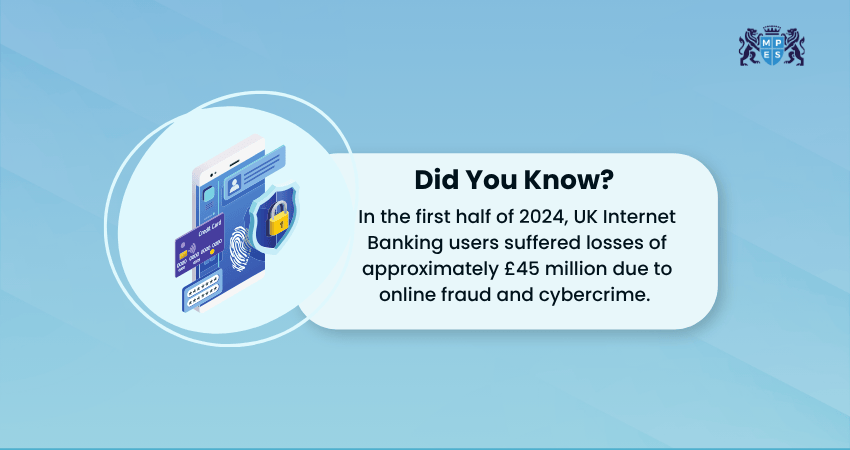
1) Detects unusual patterns or duplicate entries
2) Identifies unauthorised or suspicious expenses
3) Flags potential fraud or errors early
4) Prevents small issues from becoming major problems
5) Protects finances, reputation, and internal trust
For Example
: Identifying a repeated payment to the same vendor in a short period
9) Performance Review
Want to know how your business is really doing? Follow these steps:
1) Tracks business performance over time
2) Assesses profitability and financial health
3) Monitors KPIs and identifies trends
4) Supports agile and informed decision-making
5) Encourages continuous improvement through insights
For Example
: Comparing monthly sales figures to last year’s numbers
10) Data Summarisation
Raw data is overwhelming so, Accounting transforms it into tidy summaries that make sense.
1) Condenses complex financial data into summaries
2) Uses dashboards, graphs, and reports for clarity
3) Makes data easy to understand immediately
4) Aids communication with stakeholders
5) Supports faster and smarter strategic planning
For Example:
Presenting total monthly expenses in a bar chart for management review
11) Financial Analysis
Beyond reporting lies analysis. Here are the key functions:
1) Analyses costs, profits, and trends
2) Helps identify strengths and weak spots
3) Supports pricing and cost-cutting decisions
4) Uses financial indicators and ratios for insights
5) Guides smarter, data-driven business strategies
For Example:
Noticing a steady rise in raw material costs and adjusting pricing strategy
12) Budget Forecasting
No one can predict the future perfectly, but Accounting helps you get close.
1) Projects future income and expenses
2) Prepares for various financial scenarios
3) Supports proactive financial planning
4) Reduces risks through better forecasting
5) Improves resource allocation and budgeting decisions
For Example:
Predicting advertising costs for the next quarter based on past trends
13) Goal Alignment
Goal alignment ensures your efforts yield the right returns. Key areas:
1) Aligns finances with business goals
2) Tracks progress toward targets like ROI or growth
3) Highlights if spending supports or hinders objectives
4) Ensures budgets match strategic plans
5) Supports goal-focused financial decision-making
For Example: Aligning the marketing department’s budget with the overall sales growth plan
Unlock global finance opportunities with
CIMA Fundamentals of Ethics, Corporate Governance and Business Law (BA4) Training
today!
14) Payroll Processing
Reliable payroll keeps your team happy and your operations compliant with:
Explaining Payroll Processing with Data
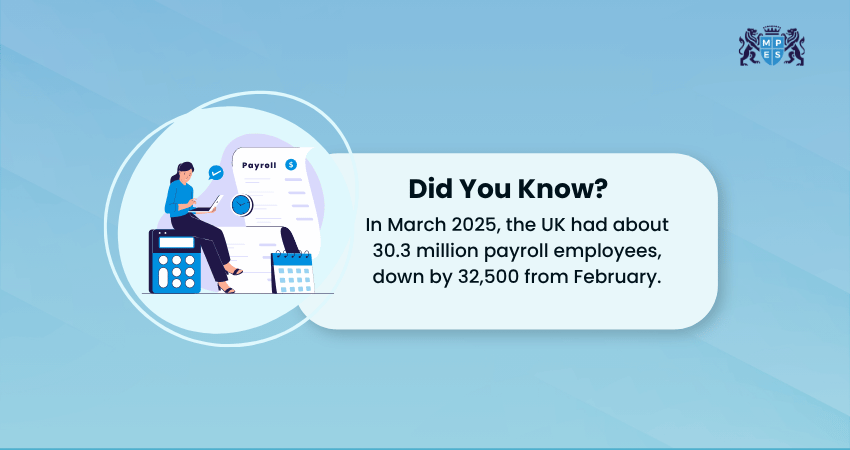
1) Manages accurate and timely salary payments
2) Calculates bonuses, deductions, and taxes
3) Ensures compliance with payroll laws
4) Handles employee benefits and contributions
5) Supports both legal and ethical payroll practices
For Example:
Processing monthly payroll with correct tax and insurance deductions
15) Fiscal Maintenance
This function aids historical analysis and simplifies legal and financial reviews.
1) Maintains long-term financial records and documents
2) Organises ledgers, statements, and tax filings
3) Ensures easy access for audits or reviews
4) Supports accurate historical financial tracking
5) Keeps financial data well-structured and up to date
For Example:
Keeping a digital archive of the last five year’s financial reports
16) Regulatory Compliance
It acts as a shield against unnecessary legal complications.
1) Ensures compliance with tax laws and regulations
2) Follows financial disclosure and industry rules
3) Prevents fines, penalties, and legal issues
4) Keeps records aligned with legal standards
5) Supports transparent and lawful business practices
For Example:
Filing GST or VAT returns correctly and on time
17) Mismanagement Prevention
You can consider this function as your business’s internal watchdog.
1) Monitors spending to prevent waste or misuse
2) Flags overspending and inefficiencies early
3) Promotes financial discipline and control
4) Reduces risk of poor financial decisions
5) Encourages accountability and structured management
For Example
: Flagging overspending by a department that exceeds its monthly budget
18) Internal Auditing
Internal audits keep your business transparent, credible, and healthy.
1) Conducts regular internal financial reviews
2) Checks the accuracy of records and systems
3) Identifies gaps or control weaknesses
4) Reduces risk of fraud and non-compliance
5) Strengthens financial transparency and accountability
For Example:
Reviewing financial transactions and inventory logs every quarter
Conclusion
At the end of the day, Accounting is what keeps your business running smoothly. The Functions of Accounting help you track money, stay on top of bills, pay your team, and make smart decisions. It also keeps things legal and organised. Whether you're planning or just trying to stay on budget, Accounting gives you the tools to do it right. Simply put, it's the backbone of every successful business.
CIMA Fundamentals of Business Economics (BA1) Training opens doors - Step into the world of business Accounting now!
Frequently Asked Questions
Q. What are the Key Objectives of Accounting?
The primary objectives of Accounting are to:
a) Record financial transactions accurately
b) Prepare reliable financial statements
c) Determine business profitability
d) Monitor financial position
e) Provide information that supports informed decision-making
f) Help organisations meet legal and tax compliance requirements
Q. How do Accounting Functions Benefit Small Businesses?
Accounting functions help small businesses manage cash flow, control expenses, monitor profitability, simplify tax compliance, improve budgeting and maintain accurate financial records. They also provide the financial information needed to secure loans or attract investors.
Q. What is the Difference Between Accounting and Bookkeeping?
Bookkeeping involves recording daily financial transactions such as sales, purchases and payments. Accounting goes a step further by interpreting and reporting financial data to support decision-making, budgeting and tax planning. Bookkeeping records transactions, while Accounting transforms financial data into useful information.