Have Any Question?
 +44 7452 122728




 Back
Back




Top 22 Functions of Management Accounting: The Ultimate Guide
The Functions of Management Accounting include product costing, asset protection, planning, communication, control, tax compliance, and more. The main aim is to help businesses make informed financial decisions and drive performance as a long-term strategy. It’s a simple, practical way to understand how numbers drive businesses better.
Table Of Contents


 44 7452 122728
 14-Jul-2025
Author-Maria Thompson
Imagine your business as an aircraft soaring through dynamic skies. You wouldn’t fly blind but do rely on a dashboard packed with vital instruments for tracking altitude, speed, direction, and fuel. That’s exactly what Management Accounting does for a company.
From fuel efficiency (cost control) to route changes (planning), every dial matters. In this blog, we’ll explore 22 powerful Functions of Management Accounting that help companies navigate through uncertainty, seize opportunities, and avoid turbulence. Read on!
What is Management Accounting?
Management Accounting is the process of using financial information to help a business run better, closely aligning with Managerial Economics to support effective decision-making. It focuses on giving useful data to managers, so they can make smart decisions about daily operations for a better future. Unlike financial accounting , which is made for outside people like investors or tax departments, this is only for people inside the business, like the owner, managers, or team leaders.
Some Common Tasks in Management Accounting are :
1) Creating budgets to plan spending
2) Tracking costs to control waste
3) Forecasting sales or expenses to prepare for the future
4) Comparing actual performance with goals to see what’s working
5) Helping managers set prices or choose between business options
Let's Understand with the Help of an Example:
Let's assume a person works as a Management Accountant at a growing e-commerce startup. His/her job is helping the company grow smartly. One day, the founders want to know whether they should launch a new product line and ask them for advice.
The person dives into the data:
1) He/She checks production costs
2) Compares past sales trends
3) Forecasts demand
4) And evaluates possible profits
Based on their report, the team decides not to go ahead with the new product just yet. Why? Because the data shows it may not be profitable right now.
Functions of Management Accounting
Management Accounting helps businesses make smart decisions and stay on track. Here are the main functions it performs:
1) Profit Planning
Profit planning focuses on setting financial targets and mapping out strategies to achieve them. Management accountants use past data, forecasts, and market trends to guide decisions and resource allocation. It ensures alignment with profit goals and supports long-term sustainability.
1) Helps forecast profit margins and financial growth
2) Aids in aligning operations with financial goals
3) Encourages proactive rather than reactive Financial Management

2) Product Costing
Product cost determines the total cost of producing goods or delivering services. It includes direct costs (like materials and labour) and indirect costs (like rent and utilities), offering a clear view of product profitability.
1) Assists in setting competitive prices
2) Identifies cost reduction opportunities
3) Enhances decision-making on product lines
3) Budgeting
Budgeting involves preparing a financial roadmap for a defined period. Effective Budgeting helps organisations allocate resources efficiently and maintain control over their financial activities.
1) Sets spending limits for departments
2) Tracks progress toward financial targets
3) Detects budget overruns early
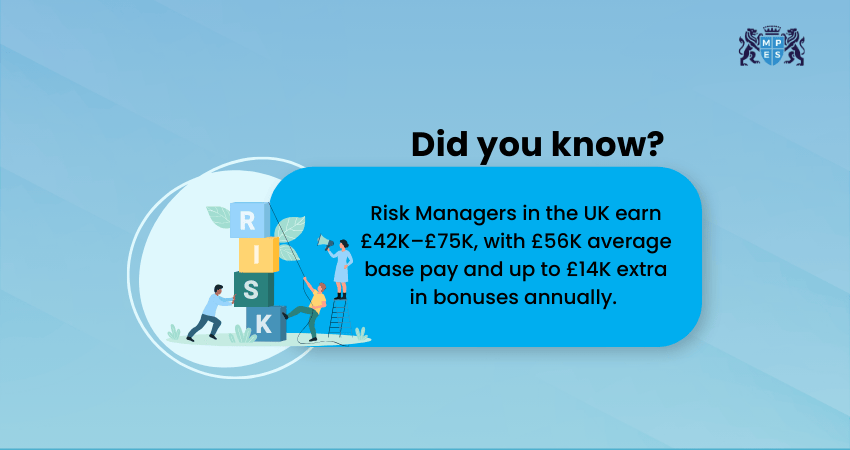
4) Risk Management
Management Accounting plays a critical role in Financial Risk Management by identifying and assessing financial risks that could impact the organisation. Accountants help develop strategies to avoid, transfer, or mitigate these risks to safeguard the business.
1) Assesses market, credit, operational, and compliance risks
2) Implements controls to minimise financial exposure
3) Ensures business continuity during disruptions
5) Planning
Planning is about deciding how to achieve organisational goals using available resources. It encompasses both long-term strategic planning and short-term operational planning. Management accountants support this by providing reliable financial data and forecasts.
1) Helps businesses stay focused on key objectives
2) Improves coordination between departments
3) Enhances adaptability to changes in market conditions
Why just dream of success? Build it with our Recording Financial Transactions (FA1) Training now!
6) Communication
Clear communication of financial data is essential for informed decision-making. Management accountants translate complex data into reports and dashboards that are easily understood by non-financial managers.
1) Promotes transparency across the organisation
2) Facilitates collaboration between departments
3) Ensures everyone works towards shared financial goals
7) Controlling
Controlling involves comparing actual performance with the planned budget and taking corrective action when necessary. This ensures the organisation stays aligned with its financial goals.
1) Highlights variances and inefficiencies
2) Enables timely adjustments in strategy
3) Maintains cost-effectiveness
8) Organising
This function focuses on designing and maintaining an efficient financial system within the business. It involves defining roles, setting procedures, and streamlining operations to enhance productivity.
1) Establishes a clear financial structure
2) Aligns tasks with employee strengths
3) Improves workflow and reporting accuracy
Build your finance career from the ground up – Sign up for the Foundations in Financial Management (FFM) Course now!
9) Decision Making
Management accountants provide essential data that supports business decision-making. Whether it's launching a new product, entering a new market, or outsourcing services, these decisions require solid financial analysis.
1) Minimises guesswork and assumptions
2) Supports data-driven decision-making
3) Reduces risk of poor financial outcomes
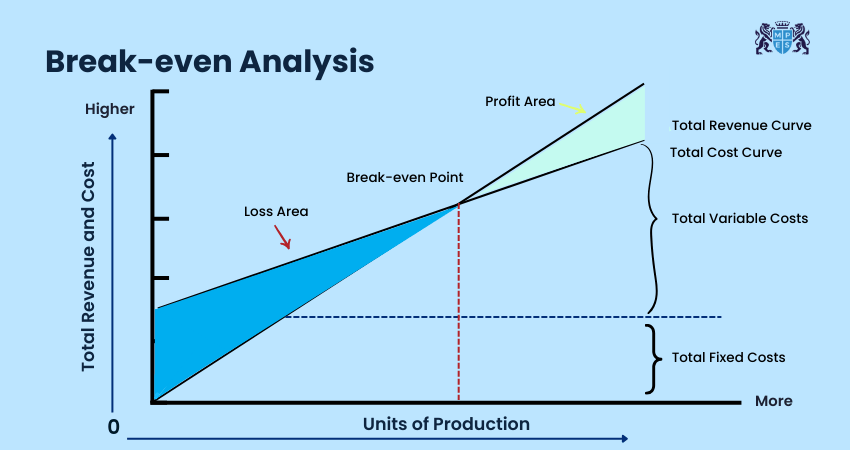
10) Break-even Analysis
This analysis helps determine the point at which a company’s total revenue equals its total costs. It’s essential for understanding when a business will start making a profit.
1) Identifies the minimum sales required to avoid losses
2) Assists in pricing and cost control strategies
3) Evaluates profitability for new ventures
11) Cost Analysis
Cost analysis examines all expenses in detail to identify areas where savings can be made without affecting performance. It helps maintain a lean, cost-efficient operation.
1) Reduces unnecessary spending
2) Highlights waste and inefficiencies
3) Supports better resource allocation
The fast track to financial fluency starts here – Start learning with our Managing Costs and Finance (MA2) Course now!
12) Performance Variances
This involves analysing differences between actual and budgeted performance. It helps identify the reasons for underperformance or overachievement.
1) Pinpoints operational strengths and weaknesses
2) Encourages accountability at all levels
3) Enables informed corrective measures
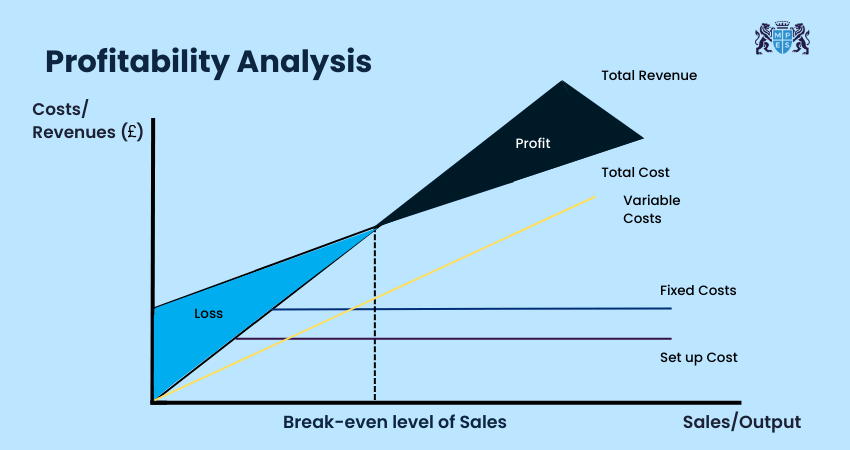
13) Profitability Analysis
Profitability analysis measures how much profit each product, department, or region generates. It enables management to focus on the most profitable parts of the business.
1) Supports portfolio optimisation
2) Helps in discontinuing underperforming products
3) Aids in investment and expansion decisions
14) Analyses and Interprets Data
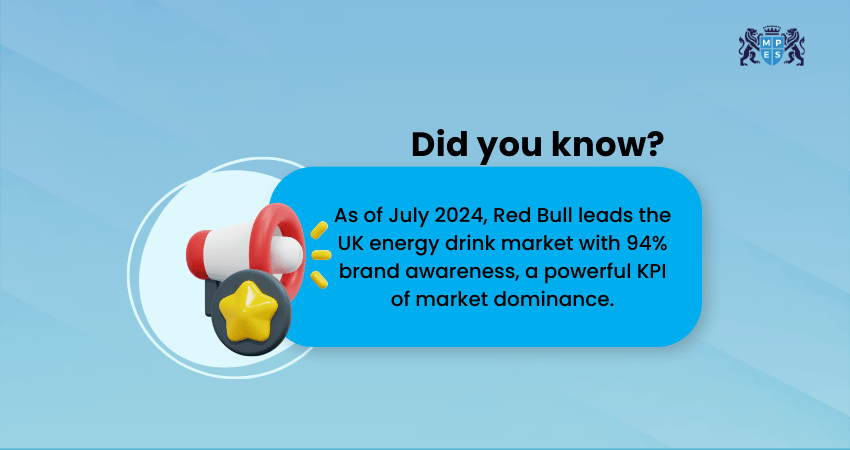
Data Analysis is about making sense of financial data to support management decisions. Accountants use charts, KPIs, and dashboards to turn numbers into stories.
1) Transforms data into meaningful insights
2) Identifies market trends and business patterns
3) Supports continuous improvement
15) Tax policies
Management accountants help ensure that the business complies with tax regulations and makes use of all legal tax-saving opportunities.
1) Ensures compliance with tax laws
2) Minimises tax liability legally
3) Supports efficient tax planning
16) Forecasting and Planning
Forecasting uses past and current data to predict future performance. It plays a vital role in planning for resource needs, market changes, and financial stability.
1) Helps prepare for seasonal trends and demand shifts
2) Improves supply chain and resource planning
3) Reduces uncertainty in decision-making
17) Coordinating
Coordination ensures all departments work together harmoniously toward common financial objectives. Management accountants help align departmental goals with overall business strategy.
1) Encourages collaboration and information sharing
2) Prevents operational silos
3) Improves workflow and efficiency
18) Business Asset Protection
Management Accounting systems help protect company assets from theft, misuse, or loss through internal controls and regular audits.
1) Implements tracking and monitoring systems
2) Prevents fraud and errors
3) Ensures accurate asset valuation
Bridge the gap between business and tech – Register for our Business and Technology (FBT) Course now!
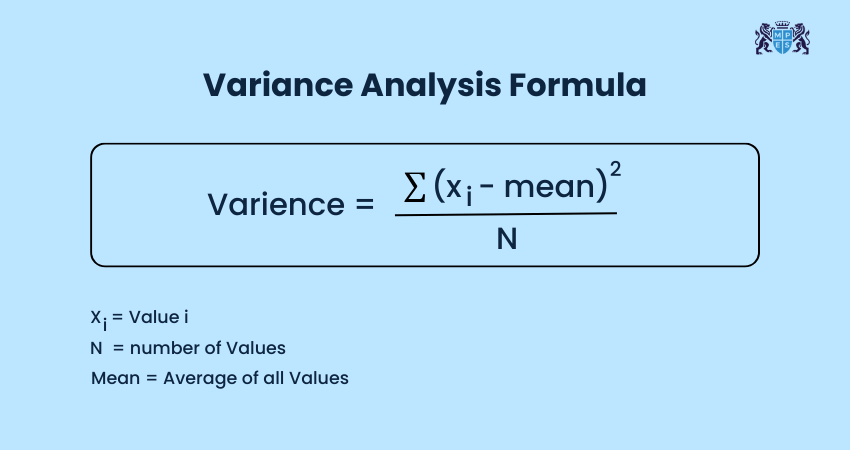
19) Variance Analysis
Variance analysis compares planned figures to actual outcomes. It highlights areas of concern and supports better financial control.
1) Identifies causes of budget deviations
2) Improves future budgeting accuracy
3) Helps evaluate employee and project performance
20) Strategic Planning
Strategic planning involves setting long-term goals and determining how to achieve them. Management accountants support this by aligning financial plans with business vision.
1) Provides financial projections for strategy development
2) Ensures strategic goals are financially feasible
3) Monitors progress against long-term objectives
21) Financial Statement Analysis
Analysing income statements, balance sheets, and cash flow statements helps assess a company's overall financial health and performance.
1) Identifies trends in revenue, costs, and profits
2) Assesses liquidity, solvency, and efficiency
3) Helps attract investors and lenders
22) Cash Flow Management
Proper management of cash flow ensures the business can meet its short-term obligations and invest in growth opportunities.
1) Tracks and forecasts cash movements
2) Prevents cash shortages and overdrafts
3) Supports sustainable business operations
Conclusion
Management Accounting helps businesses make smarter decisions, manage money better, and plan. From budgeting to Risk Management, each of the Functions of Management Accounting plays a key role in keeping things running smoothly. With the right insights and tools, you can take control, cut through the chaos, and drive your business toward lasting success in a fast-moving world.
Future-proof your career with ACCA Foundation Courses – Sign up and join the leaders!
Frequently Asked Questions
Q. Give an Example for Management Accounting.
Management Accounting can be seen when a company prepares monthly budget reports to compare planned and actual expenses. Managers use this information to identify cost overruns, improve resource allocation, control spending, and make informed decisions that enhance operational efficiency and overall business performance.
Q. What Techniques are Used in Management Accounting?
Management Accounting uses a wide range of techniques including:
a) Variance Analysis
b) Marginal Costing (Marginal Analysis)
c) Cost-Volume-Profit (CVP) Analysis
d) Activity-Based Costing (ABC)
e) Trend Analysis and Forecasting
f) Constraint Analysis
Q. How Does Management Accounting Assist with Pricing and Costs?
Management Accounting helps organisations set right prices by analysing production, labour, material and overhead costs. It identifies the true cost of products or services, thus helping managers price them competitively. It highlights opportunities to lower unnecessary costs and make better budgeting and pricing decisions.