Have Any Question?
 +44 7452 122728




 Back
Back



How to Motivate Yourself: 20 Powerful Tips for Self-improvement
Learning How to Motivate Yourself involves practical self-motivation tips to overcome burnout, build consistent habits, boost your mood, and stay focused. Staying motivated can be challenging when life gets busier or goals seem distant. This is why self-motivation is important for building the right mindset and positive daily habits.
Table Of Contents


 44 7452 122728
 12-May-2025
Author-Maria Thompson
Have you ever felt stuck, knowing what you should do, but just can’t find the energy to begin? You’re not alone, and that’s exactly where learning How to Motivate Yourself becomes truly powerful. Whether you're chasing goals, building new habits, or just trying to get through a tough day, self-motivation is your inner engine. The good news is that it’s a skill you can build. In this blog, we’ll explore practical, honest, and inspiring tips to help you spark that inner drive and keep it going. Let’s unlock your momentum and turn hesitation into progress.
Why is Motivation Important in the Workplace?
Motivation plays a vital role in your performance at work. When you work with motivation and engagement, you are more likely to remain focused, work effectively, and deliver high-quality results. Motivation is the driving factor towards achieving your personal as well as organisational goals. It fosters a positive attitude and higher engagement instead of waiting for the right time to act.

20 Tips for Self-motivation
Staying motivated can be tough at times, but with the right strategies, you can keep your energy and focus strong. These self-motivation tips will help you achieve your personal and professional goals.
So dive in and master How to Motivate Yourself:
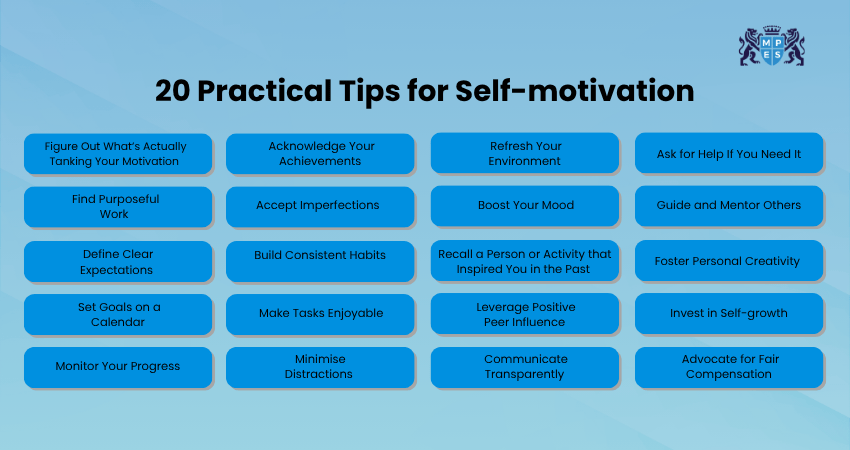
1) Figure Out What’s Actually Tanking Your Motivation
This is one of the primary ways to motivate yourself. When motivation levels drop, pause and look for the cause behind it. Understanding the root cause is essential before helping yourself. This is where the
Power of Resilience
comes in by recognising challenges and adapting to them, you can regain clarity on what changes are needed to restore motivation and drive.
1) Have there been major changes in your job?
2) Is social media affecting your mood?
3) Do you feel disconnected with your goals?
4) Are you feeling burnout?
2) Find Purposeful Work
Doing work that matters to you keeps you motivated. Know why your work is important. When you care about the outcome, you give your best. Purpose adds passion.
1) Choose projects that align with your values
2) Reflect on your bigger goals
3) Volunteer for meaningful causes
4) Talk about the impact of your work
3) Define Clear Expectations
When goals are clear, motivation is easier. Know what’s expected of you to avoid confusion. Set boundaries and targets early. Clarity keeps your focus strong.
1) Write down your tasks
2) Set deadlines for each goal
3) Ask questions if unsure
4) Break work into smaller steps
4) Set Goals on a Calendar
Setting goals with specific deadlines helps you stay focused. Use a calendar to break big tasks into smaller steps. It makes your goals feel real and manageable. Seeing your progress over time keeps you motivated.
1) Use a wall calendar to track goals
2) Set weekly and monthly targets
3) Add reminders on your phone
4) Mark completed goals with a tick
5) Monitor Your Progress
Seeing how far you’ve come feels rewarding. Track your wins and learn from your setbacks. Progress boosts your confidence. It reminds you your hard work is paying off which reflects the
Power of Mindset.
1) Keep a daily log of tasks
2) Use progress tracking app
3) Celebrate small wins
4) Review your goals weekly
6) Acknowledge Your Achievements
Don’t forget to celebrate what you’ve done. Big or small, every success matters. It builds self-esteem and keeps you going. Be proud of your progress.
1) Write down what you achieved each week
2) Share success stories with friends
3) Treat yourself after hard work
4) Keep a success journal
7) Accept Imperfections
Nobody is perfect, and that’s okay. Accepting your flaws helps reduce stress and build confidence. When you stop aiming for perfection, you feel freer to act. Progress matters more than perfection.
1) Learn from your mistakes
2) Focus on what you did well
3) Don’t compare yourself to others
4) Be kind to yourself
8) Build Consistent Habits
Doing a little every day is better than doing a lot occasionally. Habits help you stay on track without thinking too much. Start with small steps and stick with them. Over time, they lead to big results.
1) Study for 30 minutes daily
2) Exercise at the same time each day
3) Wake up and sleep at set times
4) Journal every morning
9) Make Tasks Enjoyable
If you enjoy your tasks, you’ll want to do them more. Add fun elements to boring jobs. Music, rewards, or gamifying your tasks can help. Motivation increases when you enjoy the process.
1) Listen to music while working
2) Turn tasks into small challenges
3) Reward yourself after finishing
4) Use colourful tools or notes
10) Minimise Distractions
Too many distractions kill motivation. Find out what pulls your focus and fix it. A quiet, focused space helps you stay on task. Less noise means more progress.
1) Turn off phone notifications
2) Use noise-cancelling headphones
3) Set time limits for social media
4) Work in a tidy space
11) Refresh Your Environment
Your surroundings affect your energy and focus. A clean, bright space can boost your mood. Change your setup now and then to feel more refreshed. Small changes can bring big motivation.
1) Declutter your desk
2) Add plants or artwork
3) Rearrange furniture
4) Light a scented candle
12) Boost Your Mood
A good mood can lift your motivation quickly. Simple things like fresh air or smiling help. When you feel better, it’s easier to get things done. Positive energy drives action.
1) Go for a walk outside
2) Watch something funny
3) Listen to upbeat music
4) Talk to a cheerful friend
Improve personal and team performance with our Personal Development Courses – Join today!
13) Recall a Person or Activity that Inspired You in the Past
When motivation is low, reflect on the moments that made you feel energised. Even a small re-introduction of those experiences can ignite your motivation.
1) Think about what excites you
2) Restart one uplifting habit
3) Connect with someone who motivates you
4) Join a group of similar interests
14) Leverage Positive Peer Influence
People around you can lift your energy. Stay close to those who inspire and support you. Their motivation can rub off on you. Team spirit boosts performance.
1) Work alongside focused friends
2) Join groups with shared goals
3) Follow inspiring people online
4) Share your wins with peers
15) Communicate Transparently
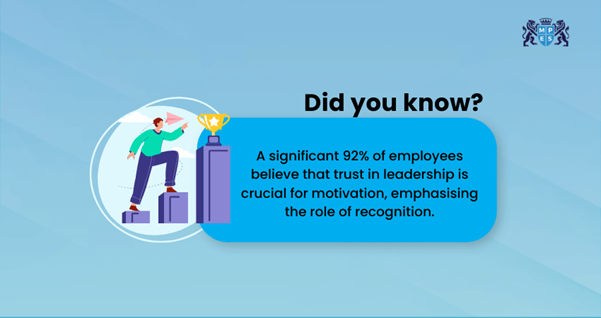
Clear, honest communication builds trust. When you express your thoughts and needs, you feel more in control. It reduces stress and builds strong relationships. Being open can boost motivation.
1) Share your challenges with others
2) Ask for feedback
3)Speak clearly about goals
4) Listen with attention
16) Ask for Help If You Need It
Guidance can make a big difference in our motivation levels. Getting support is a sign of strength. This can help you build momentum and help you find your drive back.
1) Notice stopping enjoying things you love
2) Pay attention to tasks you struggle with
3) Get support instead of debating
4) Professional guidance can help you find clarity
17) Guide and Mentor Others
Helping others keeps you motivated too. When you teach or guide someone, you learn more yourself. It gives your work extra meaning. Support others and feel inspired.
1) Offer advice to a junior
2) Host a study or work group
3) Share tips online
4) Answer questions in forums
18) Foster Personal Creativity
Being creative adds fun and energy to your day and supports a
Growth Mindset
. Try new ideas even if they’re small. Creativity helps solve problems and feel proud of your work. It keeps your mind active and curious.
1) Try a DIY project
2) Write a blog or journal
3) Sketch or doodle ideas
4) Brainstorm new ways to do tasks
19) Invest in Self-growth
Learning new things can keep you excited and motivated. It gives you fresh ideas and improves your skills. Growth builds confidence and keeps boredom away. Always look for ways to improve yourself.
1) Read books that inspire you
2) Take an online course
3) Attend a workshop or seminar
4) Learn a new language or skill
Take control of your goals with our
Time Management Training
– Join today!
20) Advocate for Fair Compensation
Feeling valued at work is important for motivation. If your effort isn’t matched by rewards, speak up. Knowing your worth boosts confidence and drive. Fair pay keeps you focused and happy.
1)Keep track of your achievements
2) Research your market value
3) Schedule a review meeting
4) Practice your pitch beforehand
Conclusion
Learning how to Motivate Yourself isn’t about perfection; it’s about progress. With the right habits, small wins and consistent self-belief, you can turn any ambition into action and action into growth. The strategies outlined in this blog are your toolkit for staying focused and inspired. So, start small, stay committed and watch how each step brings you closer to the motivated version of yourself you’re aiming to become.
Boost emotional strength and clarity with our Emotional Intelligence Training – Join today!
Frequently Asked Questions
Q. What is Lack of Motivation a Symptom of?
Lack of motivation can be a sign of stress, tiredness, or feeling overwhelmed. Sometimes, it may also be linked to a low mood or not enjoying what you’re doing. It’s important to find out the reason and take small steps to feel better.
Q. How do I Force Myself to be Motivated?
Start by doing one small task instead of everything at once. Break your goals into easy steps and reward yourself for progress. Remind yourself why it’s important and focus on how good you’ll feel after finishing.
Q. How do I Increase my Motivation?
Set clear and realistic goals that excite you. Keep your environment positive and remove distractions. Talk to encouraging people and celebrate even small wins.