Have Any Question?
 +44 7452 122728




 Back
Back




What is Council Tax: 2026 Tax Changes and Who Should Pay it?
Council Tax is a local tax charged on residential properties in the UK to help fund public services such as waste collection, education and emergency services. It maintains essential community services and infrastructure. It is collected by the local councils and the amount payable depends on the property's valuation band and location.
Table Of Contents


 44 7452 122728
 04-Aug-2025
Author-Maria Thompson
Many people across the UK pay Council Tax every month, yet few fully understand how it works or why the amount can change over time. With rising living costs and recent Council Tax updates in 2026, many households are seeking a clearer understanding of What is Council Tax, including how payments are calculated, property bands are assigned, and local authority charges are determined.
Council Tax affects millions of residents in different ways. Understanding What is Council Tax can help individuals manage household expenses more confidently while staying informed about the latest changes introduced by UK councils in 2026. In this blog, you will learn about its changes, who should pay, how to pay, and more. Let's begin!
What is Council Tax?
Council Tax is a local tax that people in England, Scotland, and Wales pay to their local council. The money goes to your local council to help pay for the many public services they provide in your area. This money helps pay for local services like:
1) Rubbish collection and street cleaning
2) Maintaining roads and street lighting
3) Care services like 'Meals on Wheels' for elderly residents
4) Schools, libraries, and local parks
5) Social care and other emergency services
UK Government Council Tax Changes in 2026
The UK Government announced major Council Tax reforms in 2026 to make the system fairer and reduce financial pressure on households struggling with payments. These changes mainly apply to England, with several reforms scheduled to begin from April 2027 and wider implementation continuing into 2028. Let's look at the changes below to better understand What is Council Tax in the UK:
1) Extended Payment Flexibility (10 Months to 12 Months)
Under the Extended Payment Flexibility reform, Council Tax will move from the traditional 10-month payment structure to 12 monthly instalments. This change is intended to reduce monthly payment pressure and help households manage living costs more comfortably. Taxpayers will still have the option to request a 10-month payment schedule if preferred.
2) New 63-day Rule for Missed Payments
The New 63-day Rule for Missed Payments gives households more time before stricter recovery action can begin. Previously, missing a payment could quickly lead to the full yearly Council Tax bill becoming due. Under the updated rules, councils must allow at least 63 days from the first missed payment before removing instalment rights or escalating enforcement action.
3) Mandatory Repayment Plans with Councils
Mandatory Repayment Plans with Councils aim to encourage earlier communication and support for residents who fall behind on payments. Councils will be expected to work with taxpayers to create realistic and sustainable repayment arrangements. This approach is designed to prevent debt from increasing quickly and reduce immediate enforcement measures.
4) Cap on Liability Order Fees
The Cap on Liability Order Fees is intended to reduce additional financial pressure on households with Council Tax arrears. When councils take legal action to recover unpaid Council Tax, extra court-related charges may apply through liability orders. Under the reforms, these liability order costs in England will be capped at £100.
5) Changes to Vulnerability Discounts
Changes to Vulnerability Discounts focus on reforming the "Severely Mentally Impaired" (SMI) Council Tax discount. The government plans to review the terminology, update the definition, and introduce a clearer application process. These changes focus on reducing stigma and improving accessibility for eligible individuals and families.
Learn essential finance strategies for strengthening financial decision-making with the
Financial Management (FM) Training
– Sign up now!
How Does Council Tax Work?
Council Tax is charged by local authorities based on the value of your home. Each year, councils set the amount they need to collect to fund local services. Your household then pays a portion of this amount, based on the value band of your property. The three main things you need to know to understand your Council Tax bill are:
1) Your home's valuation band
2) How much does your local council charge for that band
3) Whether you qualify for a discount or exemption
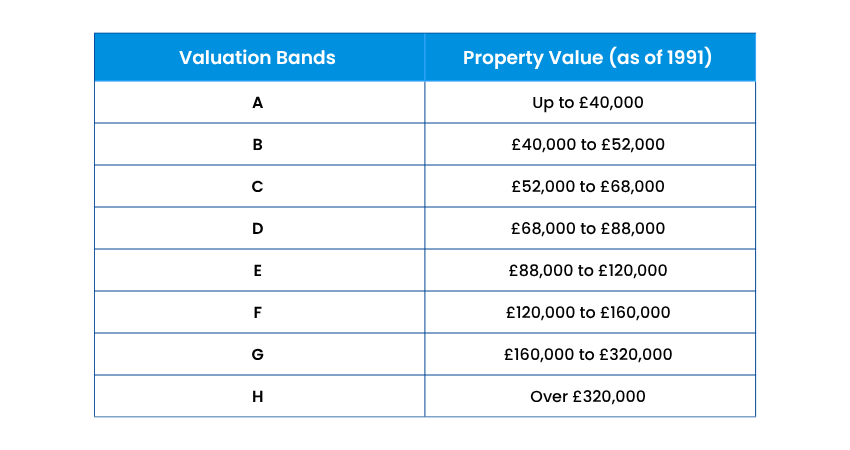
Property Valuation Bands
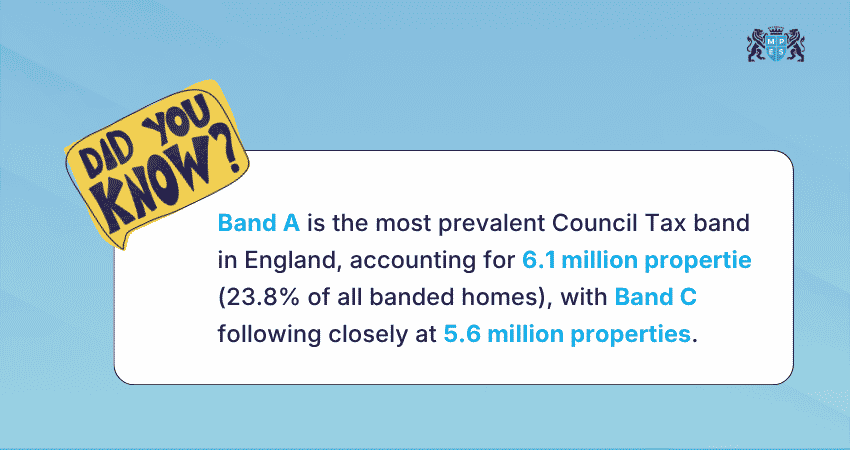
Every home is assigned a valuation band by the Valuation Office Agency (VOA) in England and Wales, or the Scottish Assessors Association (SAA) in Scotland. This band is based on the property's market value as of 1 April 1991 in England and Scotland, or 1 April 2003 in Wales. Here's a quick look at valuation bands in England:
Who Should Pay Council Tax?
The person who lives in the home usually pays the Council Tax. Usually, one household member is the 'liable person.' This could be:
1) The owner who lives in the property
2) The tenant, if the property is rented
3) Joint tenants or co-owners, who are jointly liable
4) If no one lives in the property, the owner is liable
If multiple adults live in the home, the council expects them to pay jointly. In general, Council Tax is not charged per person. It is charged per property, but there are rules around discounts, exemptions, and reductions.
People Who Might Not Need to Pay Council Tax:
Some people are not counted on when working out the Council Tax bill. These people include:
1) Full-time students
2) People under 18
3) People with certain disabilities
4) Live-in carers (not family members)
5) People with severe mental conditions
So, for example, if a property has one adult and one full-time student, the adult can get a 25% discount. Likewise, if everyone in the home is not counted, the home may not need to pay Council Tax at all, separate from property tax considerations such as Capital Gains Tax , which applies when the property is sold rather than occupied.
Learn advanced tax planning strategies and focus on compliance with the
Business Planning Tax (BPT) Course
– Register now!
How Will I Know How Much My Council Tax is?
Each year, the local council sends you a bill telling you:
1) The total amount you must pay for the year
2) A breakdown of the services the money funds
3) Your monthly payment amounts, due dates, and payment methods
You can also check the website of your local council using your postcode to see your property's band and the exact rates.
How is Council Tax Calculated?
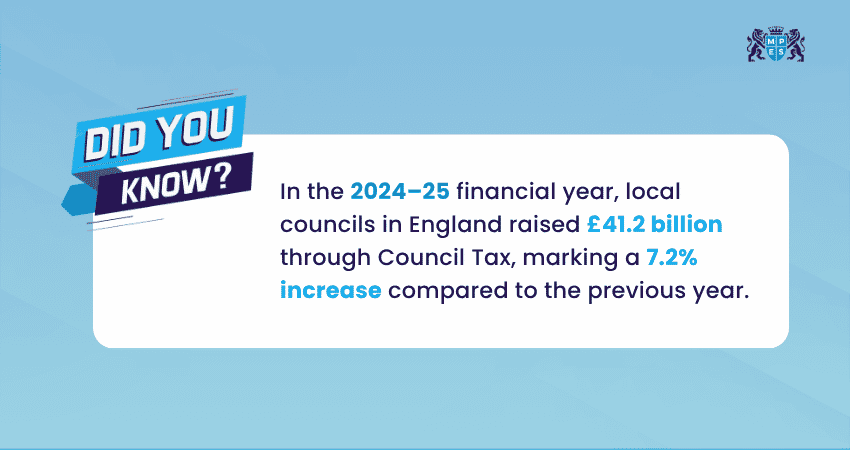
When you know What is Council Tax, you also need to know how it is calculated. Local authorities start by identifying the services they will provide in the coming year and how much these will cost. They then subtract the income they expect to receive from fees and charges, government grants, other contributions, and their share of business rates.
The amount that is left has to be covered by the Council Tax. This total is shared between all residential properties in the borough, and each household pays a different amount depending on its property valuation band.
How to Pay Council Tax?
Council Tax is billed annually. It is based on the financial year, which runs from 1 April to 31 March. Your local council usually sends the bill in March each year, covering the full 12 months ahead. Even if your household is fully exempt, you'll still receive a Council tax bill, and it will show that you don't owe any
tax
.
Payment Methods
Here are the common ways to pay your Council Tax:
1) Direct Debit is the easiest and most common method
2) Online via your local council's website
3) By phone, using automated services or calling the council
4) Bank transfer or standing order
5) At your bank or Post Office, using the payment slip provided
You need to always pay by the date mentioned in your bill. Missing payments can lead to reminders, fines, or court action.
How Does the Council Collect Council Tax?
Once your bill is issued, payment is typically made in 10 equal monthly instalments from April to January, followed by a two-month break (February and March) for account reconciliation. You can request to spread payments over 12 months instead or choose to pay in full or in two half-yearly instalments.
What Happens if a Payment is Missed?
If you don't pay your Council Tax on time, here's what might happen:
1) Reminder Notice: You will get a notice as a reminder after 7 days of non-payment.
2) Second Reminder: It will be sent if you miss a second payment later in the year.
3) Final Notice: If you keep missing payments, the council may demand the full year's tax immediately.
4) Court Summons: If ignored, they can take you to court to recover money.
5) Deductions or Enforcement: Councils can take money from your wages or benefits or send enforcement agents.
Assess financial statements and evaluate internal controls with our
Audit and Assurance (AA) Training
– Join soon!
When to Update Council for Situational Changes?
If there are any situational changes, such as:
1) Someone moving in or out of your home
2) Starting or losing a job
3) Becoming eligible for a discount or benefit
You need to inform the council. Most councils have an online form for this. If your payment amount needs to change, you'll receive a new bill and updated payment plan.
How Council Tax Revenue is Used?
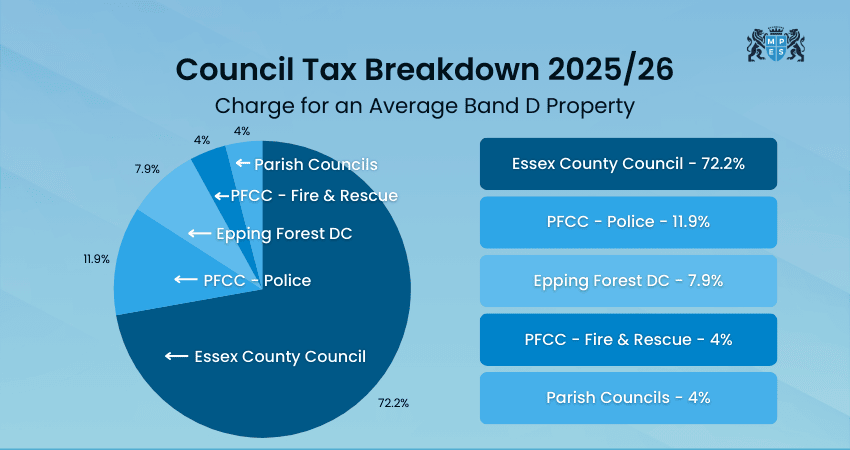
Council Tax revenue helps fund the essential services that keep local areas running smoothly. If you know What is Council Tax, you will know that it supports day-to-day community services to vital care and safety functions. This money allows councils to maintain facilities and invest in the well-being of the community. The revenue is also used for:
1) Funding essential services like rubbish and recycling collection, street cleaning, and road maintenance.
2) Supporting libraries, parks, leisure centres, and other community facilities.
3) Paying for vital social services, including adult social care, education, and children's services.
4) Contributing to police, fire, and rescue services.
5) Supporting housing services, local planning, and environmental health.
6) Providing funds to parish or town councils for additional local amenities.
Conclusion
Council Tax plays an important role in supporting local communities and public services across the UK. Understanding What is Council Tax helps households stay informed about property bands, payment rules, discounts, and the latest reforms. By keeping up with these changes, residents can manage payments confidently and avoid unnecessary financial issues.
Explore audit, business strategy, and Financial Management with our ACA Professional Level Training – Sign up today!
Frequently Asked Questions
Q. What is UK Council Tax for?
Council Tax is a local tax collected by councils in the UK to fund essential public services. These include rubbish collection, street cleaning, local schools, libraries, police, fire services, and social care. The amount is based on your property’s valuation band and local authority rates.
Q. Does my Council Tax Go up if Someone Moves in?
Council Tax usually doesn’t increase if someone moves in, but discounts may change. For example, a single person gets a 25% discount. If another adult moves in, that discount ends, increasing the bill. However, the total tax rate for the property remains the same.
Q. Does Everyone Pay Council Tax in the UK?
Most households in England, Scotland, and Wales pay Council Tax. However, some people, like full-time students, some apprentices, and people with severe mental impairments, are exempt, and some may get discounts or reductions.